Imagery
Show people and learning moments with room for the message. Choose a clear subject, natural framing and a quiet background.
People, ideas and relationships
Use portraits to show people, diagrams to explain relationships and geometry as artwork. A profile image alone cannot document a learning scene.
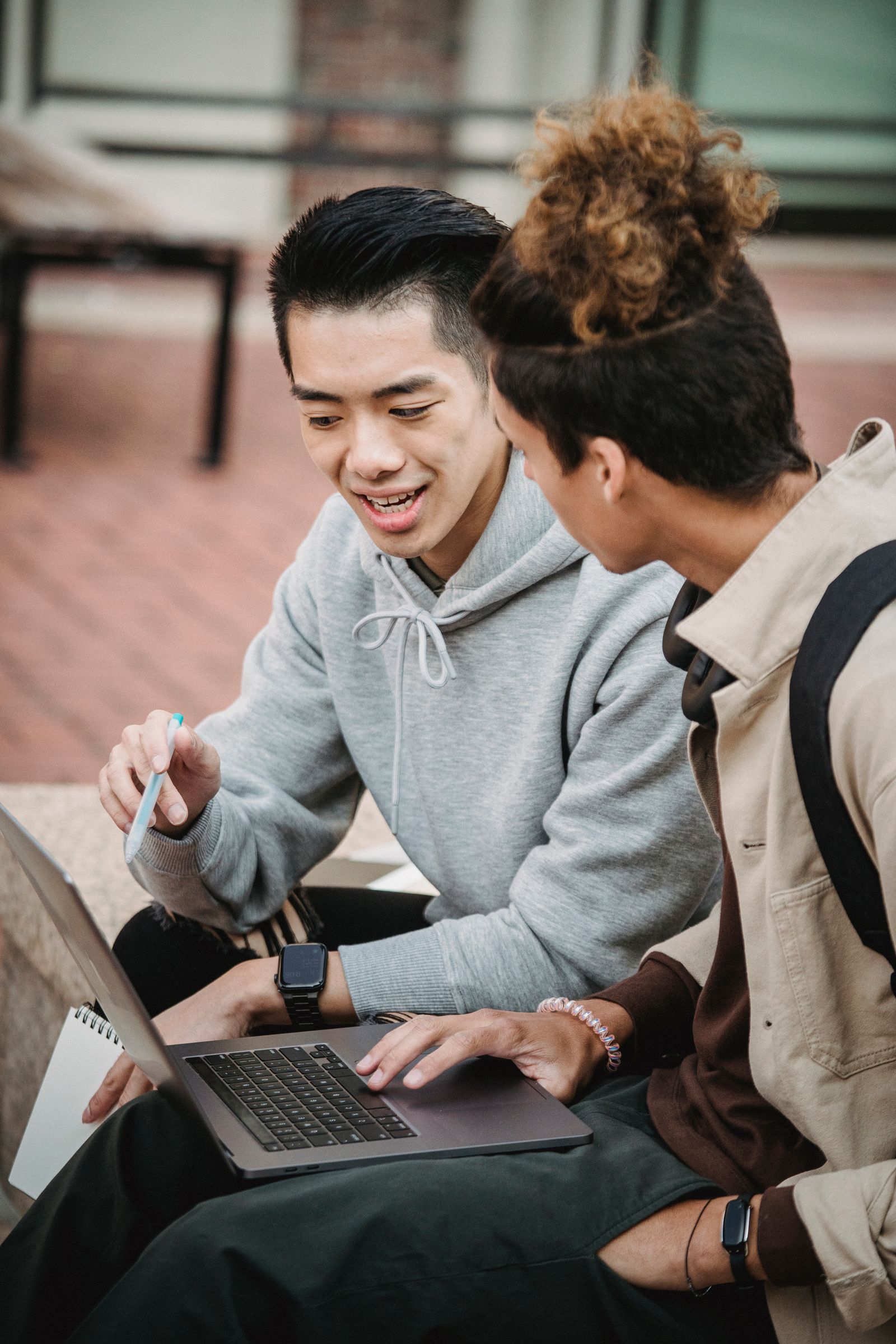

Stock photography for composition examples, not a customer endorsement
Choose the image for the job
Mix young-adult learning, work and everyday life. Keep people photography mostly male-led, with women wearing hijab. Use regional places and details alongside portraits; a diagram should explain something a photograph cannot.
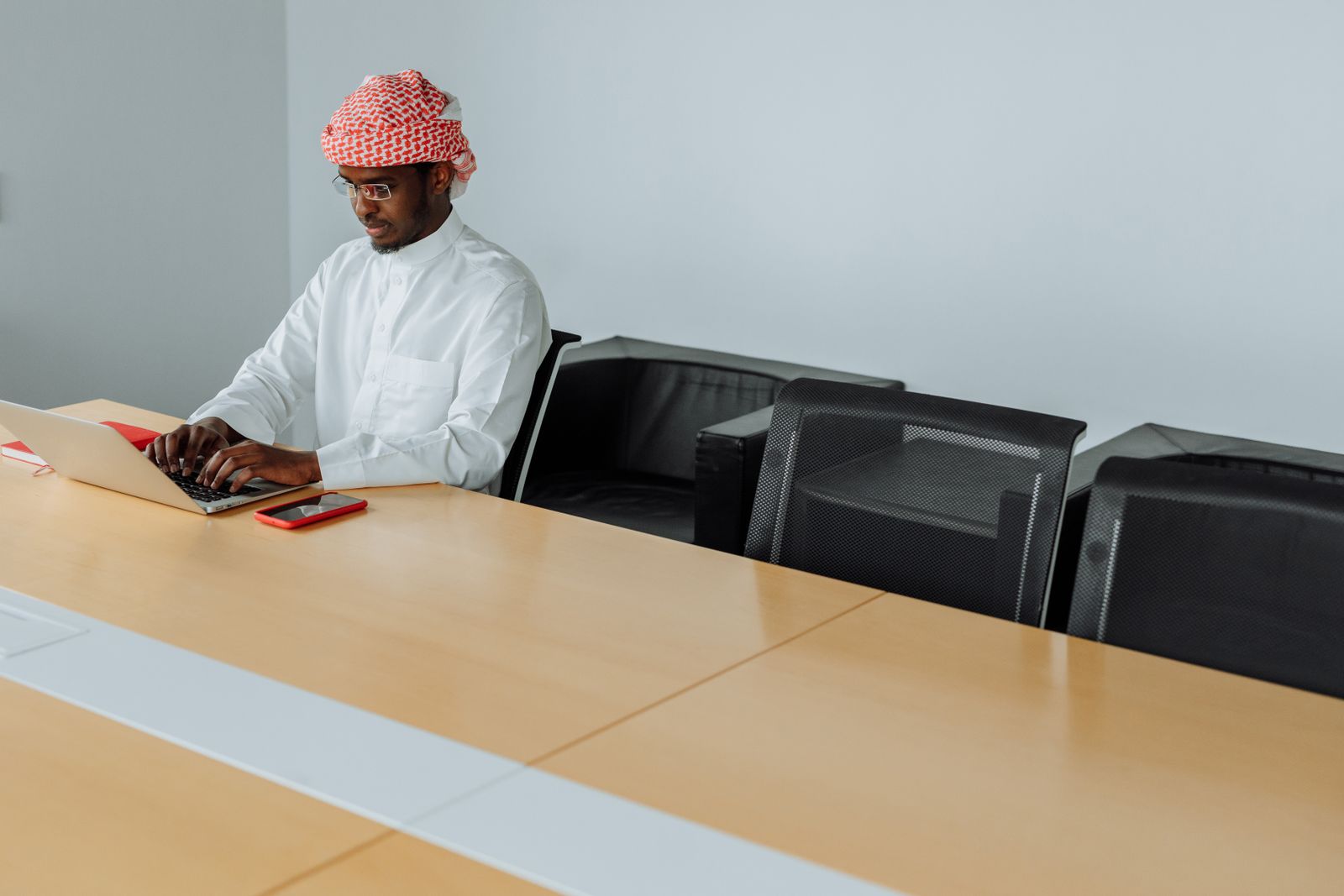
Show traditional attire as part of present-day work, alongside casual learning and city scenes. Preserve the person and task; keep copy in the separate text field.
Look for an observable action: comparing notes, asking a question or working through a problem. Keep the interaction in the crop.
Give faces room to breathe. Natural light and a calm background work better than a heavily retouched cutout. Never invent a testimonial for a stock subject.
Keep the face, hands and task visible. Women in Fkra imagery wear hijab; review background subjects as well as the main person.
A quiet pause can show learning as clearly as a group scene. Keep the notebook and laptop in the frame, with room around the subject.
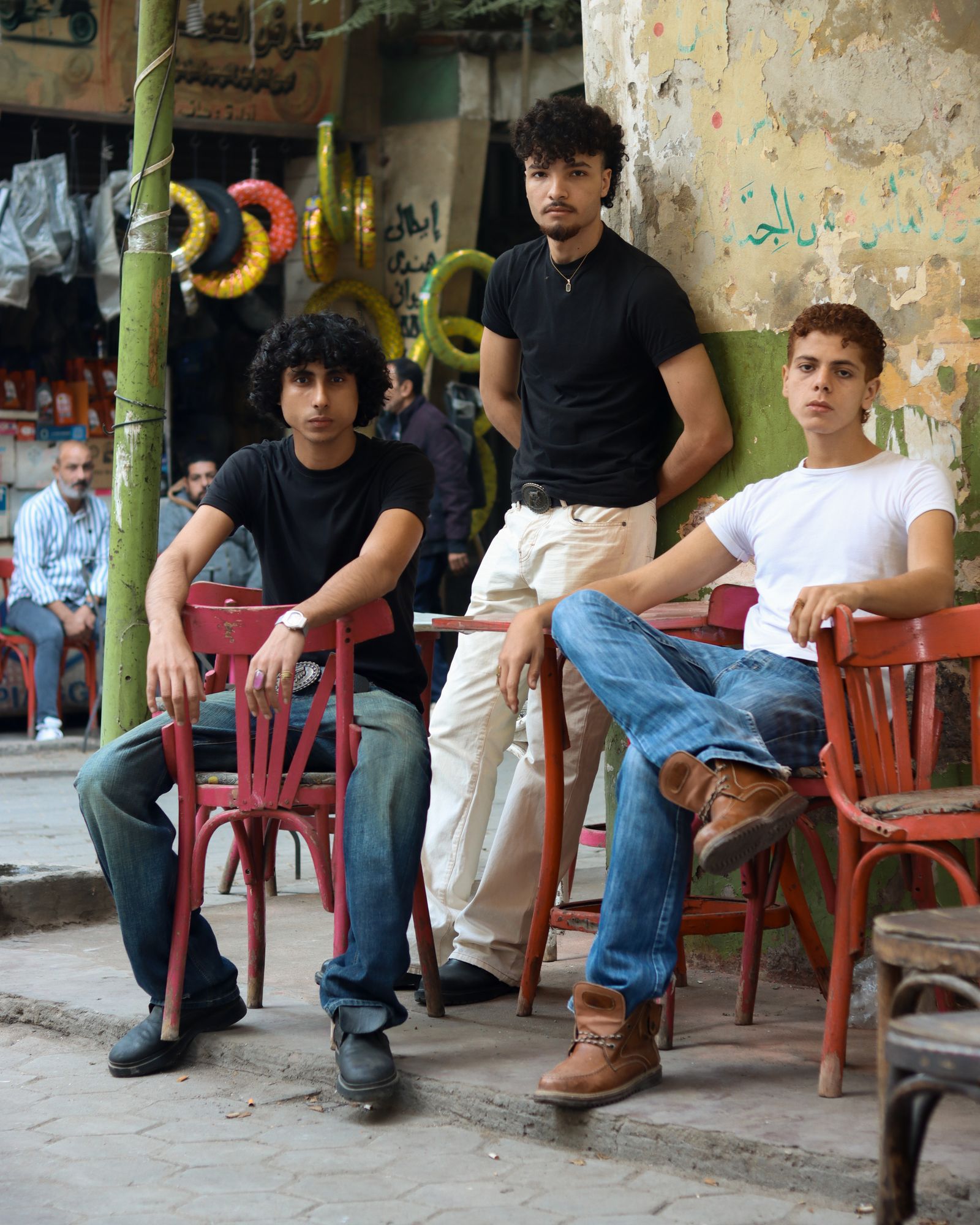
This Cairo street scene brings a peer group and local setting into the mix. Use it for community or editorial context, not as evidence of a Fkra event.

Close crops make the process tangible: a note, a mark, a hand at work. Keep the useful detail visible when the image becomes small.
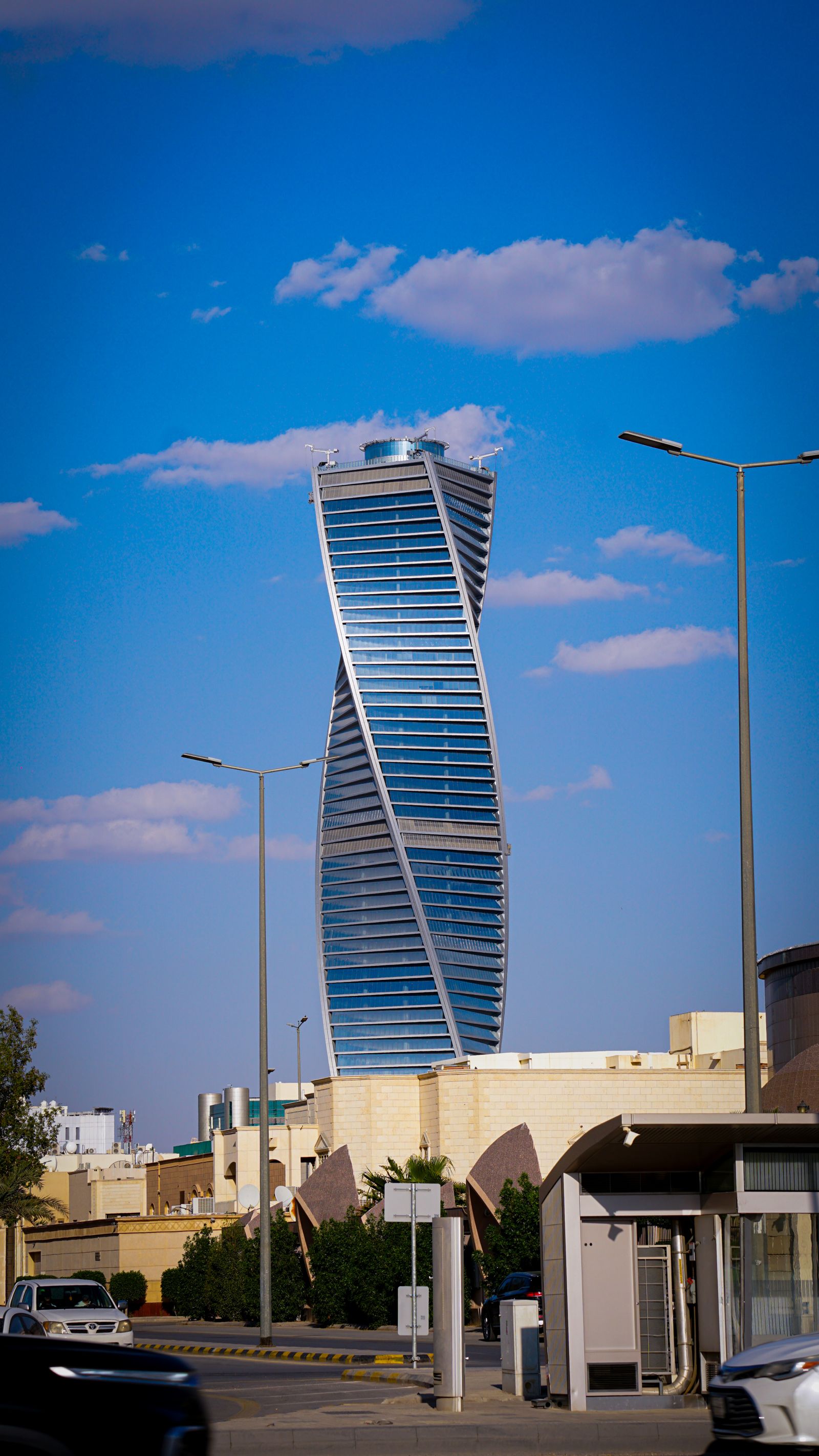
Use Riyadh's contemporary architecture to establish place. Keep the tower's silhouette intact; this is a setting, not proof of a Fkra office or event.

Traditional attire belongs alongside casual portraits, not in place of them. Keep the person, steps and doorway together so the Muscat setting remains visible.
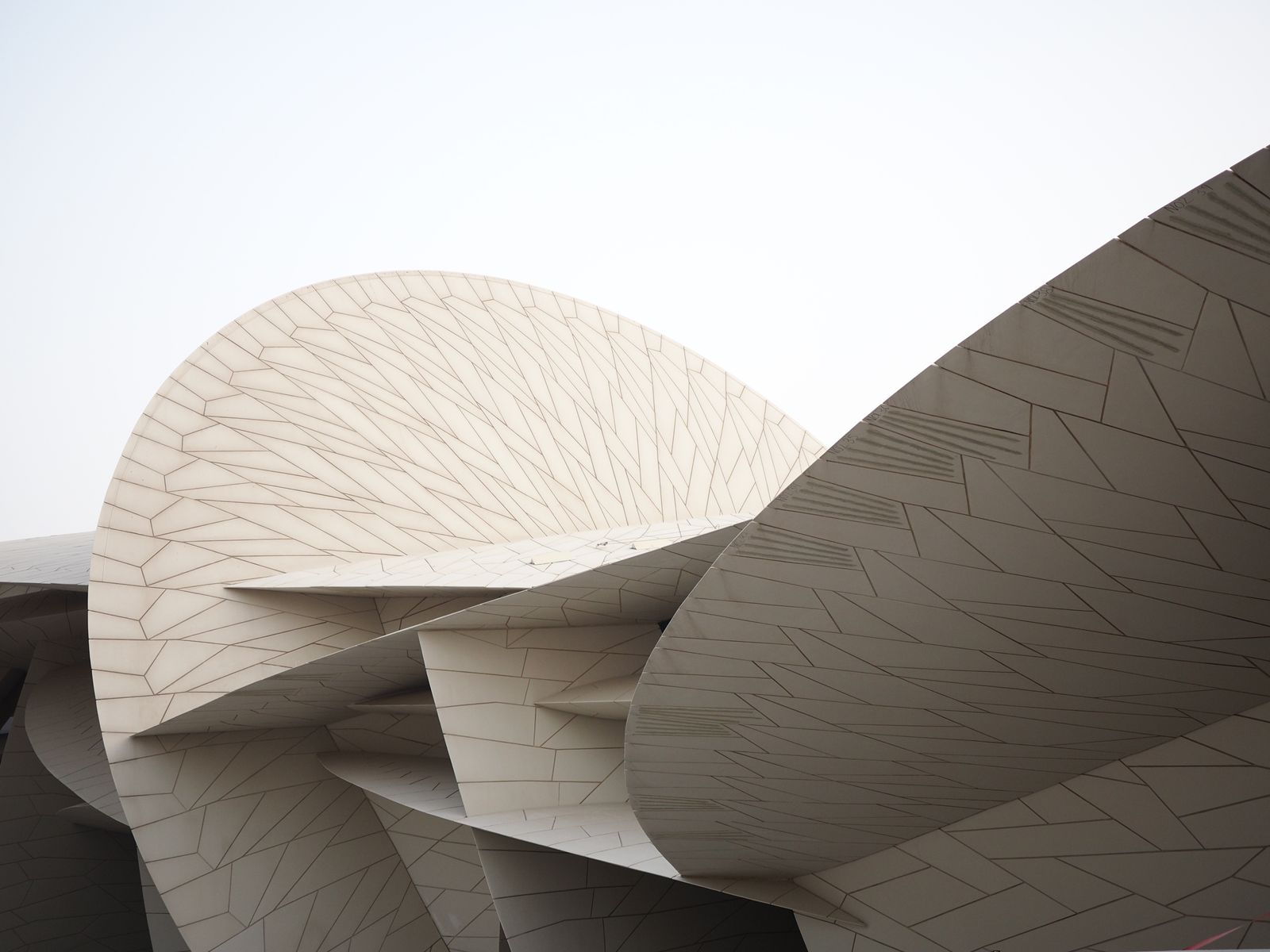
Doha's museum geometry works as an architectural detail or editorial backdrop. Keep its natural materials visible; a photograph is not an approved logo pattern.
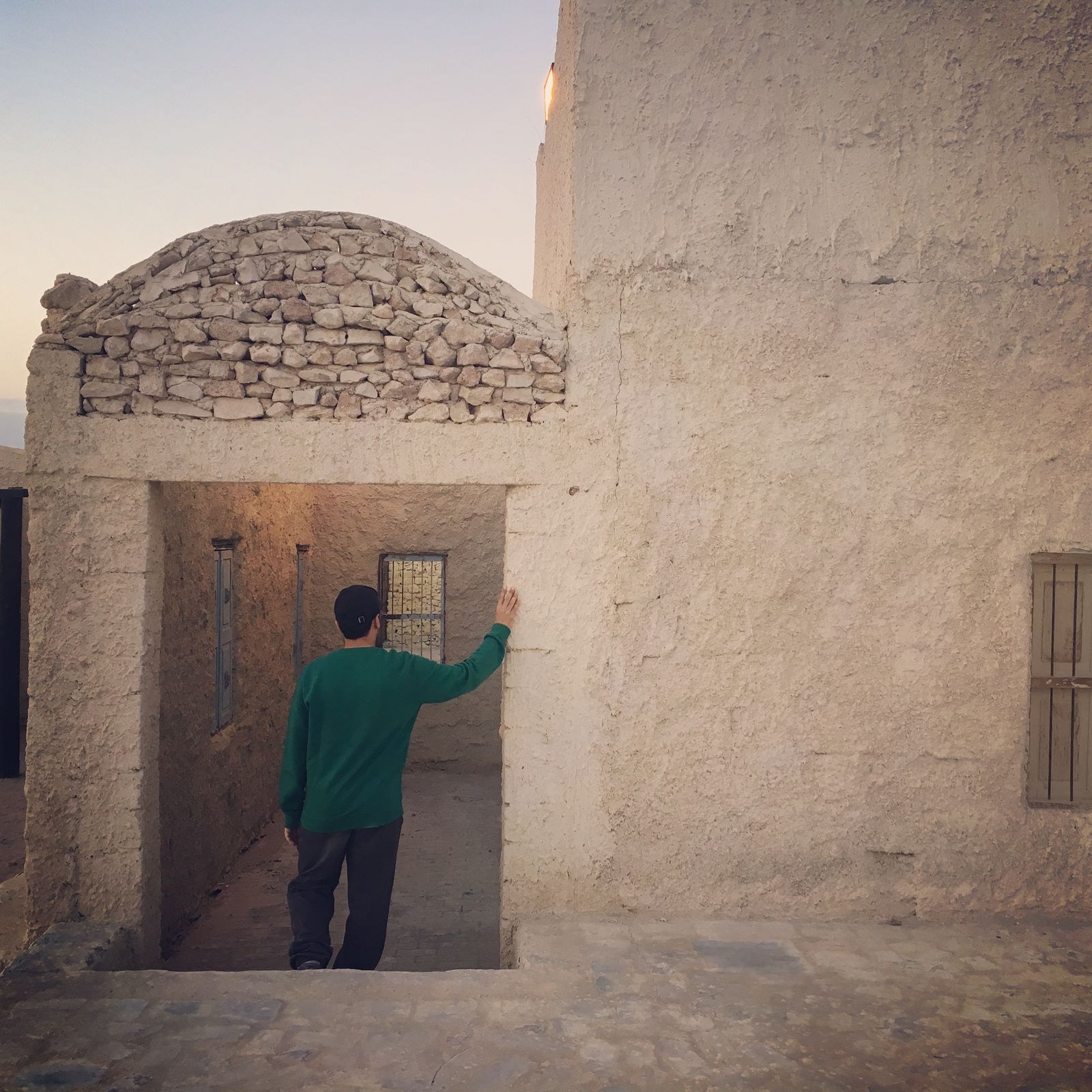
Pair Kuwait's heritage architecture with a person in everyday clothing. Keep the hand, wall texture and doorway in the crop; do not present the stock subject as a Fkra learner.
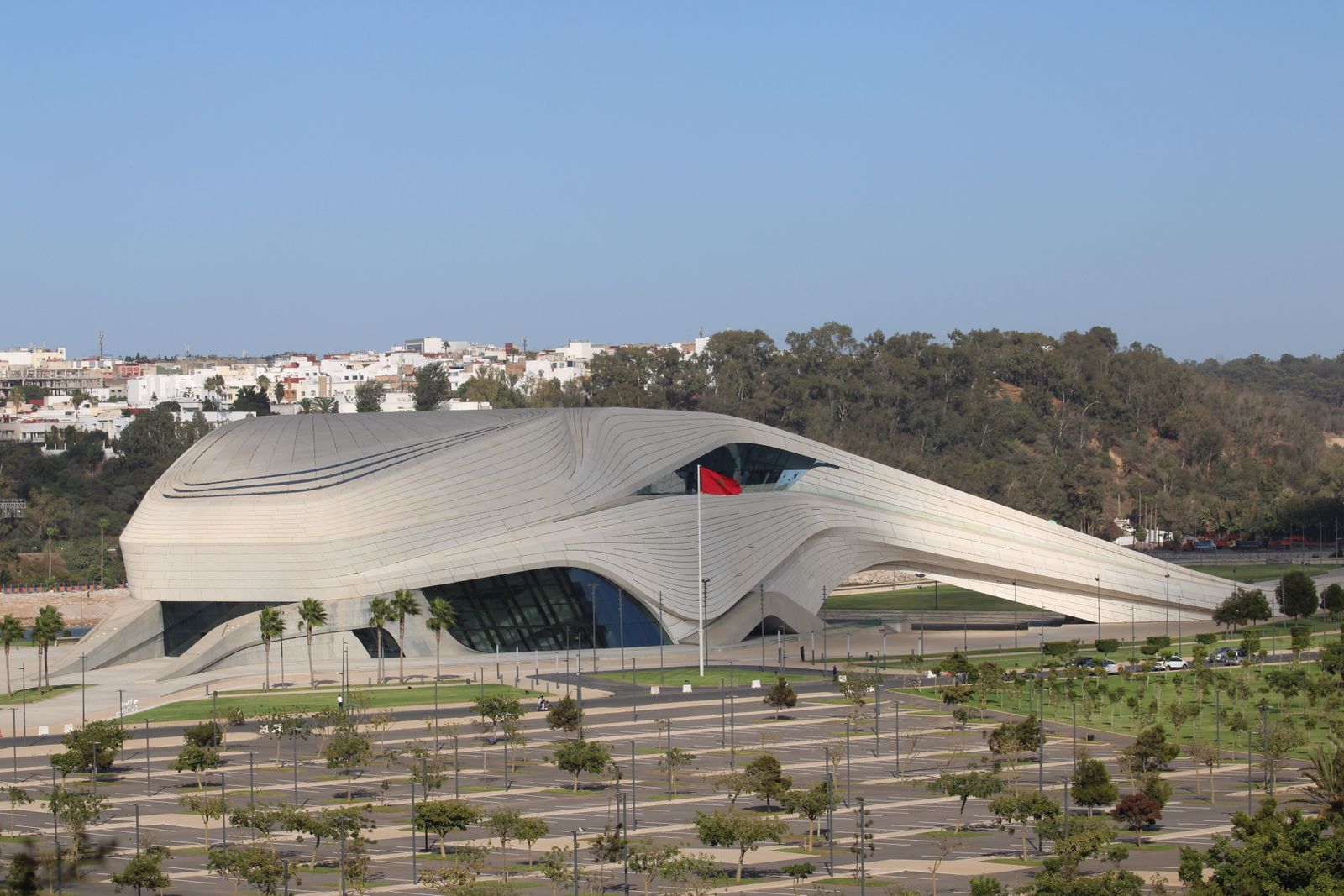
Rabat's Grand Theatre adds a contemporary regional setting. Name a location only when the source confirms it; MENA is more than desert and heritage imagery.
High-resolution originals, responsive previews. Open each credit to inspect the source.
Ideas become useful when they connect.
Turn one clear idea into a learning path. Give the next step room to become useful.

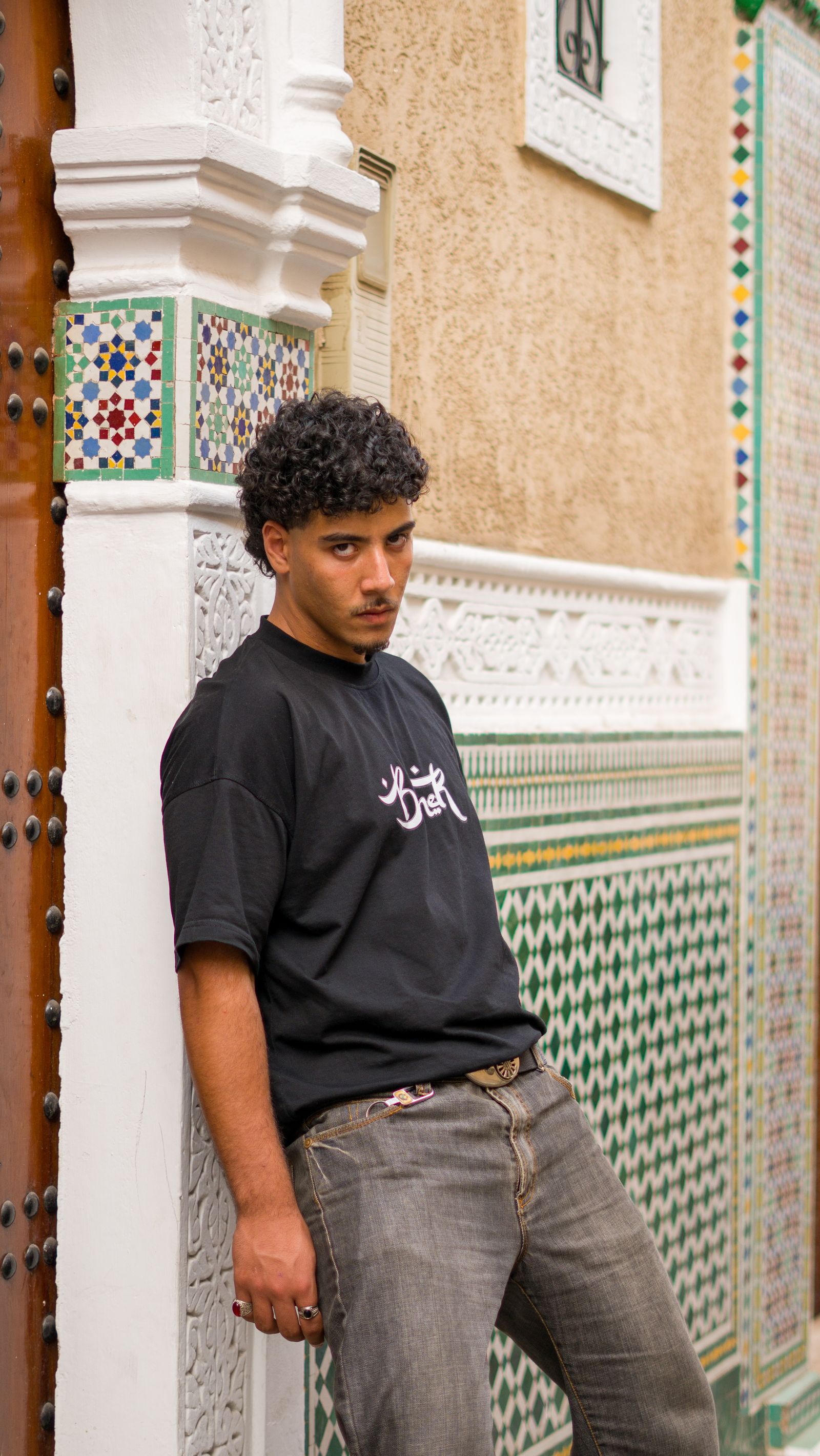
A human crop and a separate type field share the grid. Portrait shown for composition only, not an endorsement.
Ideas become useful when they connect.
 Notice
Turn one clear idea into a learning path. Give the next step room to become useful.
 Connect
Next: shape the lesson
 Apply
ApplyNext: shape the lesson
Show the feature or learning step at a readable scale. This native example is illustrative; use a current, accurate product capture in production.

Ideas become useful when they connect.
Turn one clear idea into a learning path. Give the next step room to become useful.
Use a diagram to explain connections and approved geometry to express the brand. Keep both visibly distinct from photography.
One photograph, four treatments
Keep natural color for documentary content. Monochrome and brand duotone are editorial choices. An overlay should frame the image, not hide the subject.
Natural color
Preserve believable skin tones, light and materials. Use for people and real learning moments.
Monochrome
Reduce competing color while retaining facial and material detail. Avoid crushing shadows.
Navy / Algae duotone
Map dark values to Deep Navy and light values to Algae Green. Use for campaign imagery, not as evidence of an unedited scene.
Brand color frame
Keep the photograph intact. Use a restrained Golden Glow edge and a separate Navy field for text.
Design for the small version
Choose one focal subject, a short title and a clear hierarchy. These examples show the same identity across a lesson, an article, a video and a social post.
 Ask a better question
Lesson thumbnail
Photo by Mikhail Nilov on PexelsSmall-size check
 Make room for a new idea
Article cover
Photo by Earth Photart on PexelsSmall-size check
Connect the dotsVideo thumbnail
Photo by Armin Rimoldi on PexelsSmall-size check
 Start with curiosity
Social post
Photo by Cedric Fauntleroy on PexelsSmall-size check
Do: One idea, one clear subject
A short title sits on a clean field. The subject and the message survive at small size.
Don’t: Too many messages
Tiny type, competing labels and text over the face make the thumbnail harder to read. Remove information before adding decoration.
Frame the subject and the message
Ideas become useful when they connect.
Turn one clear idea into a learning path. Give the next step room to become useful.
50% 50%Stock photography for composition examples, not a customer endorsement
Try a source, format and treatment. The preview uses reversible browser styles; it does not modify or download the original photograph.
Protect the face, hands or action that gives the image meaning. Keep text on its own surface, and check the smallest thumbnail before publishing.
Find a photograph. Keep its source.
Choose mostly young men across learning, work and everyday MENA settings. Mix casual clothing with occasional traditional attire; avoid reducing the region to one look. Women pictured must wear hijab, including in the background. Use source-confirmed locations, not assumptions about a person's origin. Check usage rights and keep the photographer credit. Stock subjects are not Fkra customers or spokespeople.
Rules and source
One clear subject
Hero imagery has one focal subject and calm negative space. Editorial crops show natural moments. Product crops show the actual learning moment.
Separate image and message
Keep copy on a readable, clean surface. Match crop, scale and direction to the layout; geometric artwork is a separate approved expression.
Do
Frame real curiosity or use approved geometric artwork honestly.
Don’t
Do not use robot heads, busy collages or pretend decorative art is photography.
Open editable Figma sourceSource pages 24